Owning a Holiday Let in Swanage, Dorset
Owning a holiday let in Swanage, Dorset, can be an incredibly rewarding investment, offering both financial benefits and the...





by Laura Bell / Owner News
Owning a holiday home in Dorset can be rewarding, whether you’re welcoming guests to the Jurassic Coast, generating additional income or creating a long-term lifestyle investment. But holiday let tax rules have changed significantly nationally and for Dorset.
If you’ve owned a furnished holiday let for a while, or you’re considering entering the market, it’s important to understand that the previous Furnished Holiday Lettings (FHL) tax regime no longer applies. Since April 2025, holiday lets are generally taxed in line with other residential rental properties.
Read the Dream Cottages guide to what Dorset holiday homeowners need to know.
For many years, qualifying holiday lets benefited from special tax treatment that made them more advantageous than standard residential rentals.
However, from 6 April 2025 (Income Tax and Capital Gains Tax) and 1 April 2025 (Corporation Tax), the government abolished the Furnished Holiday Lettings regime.
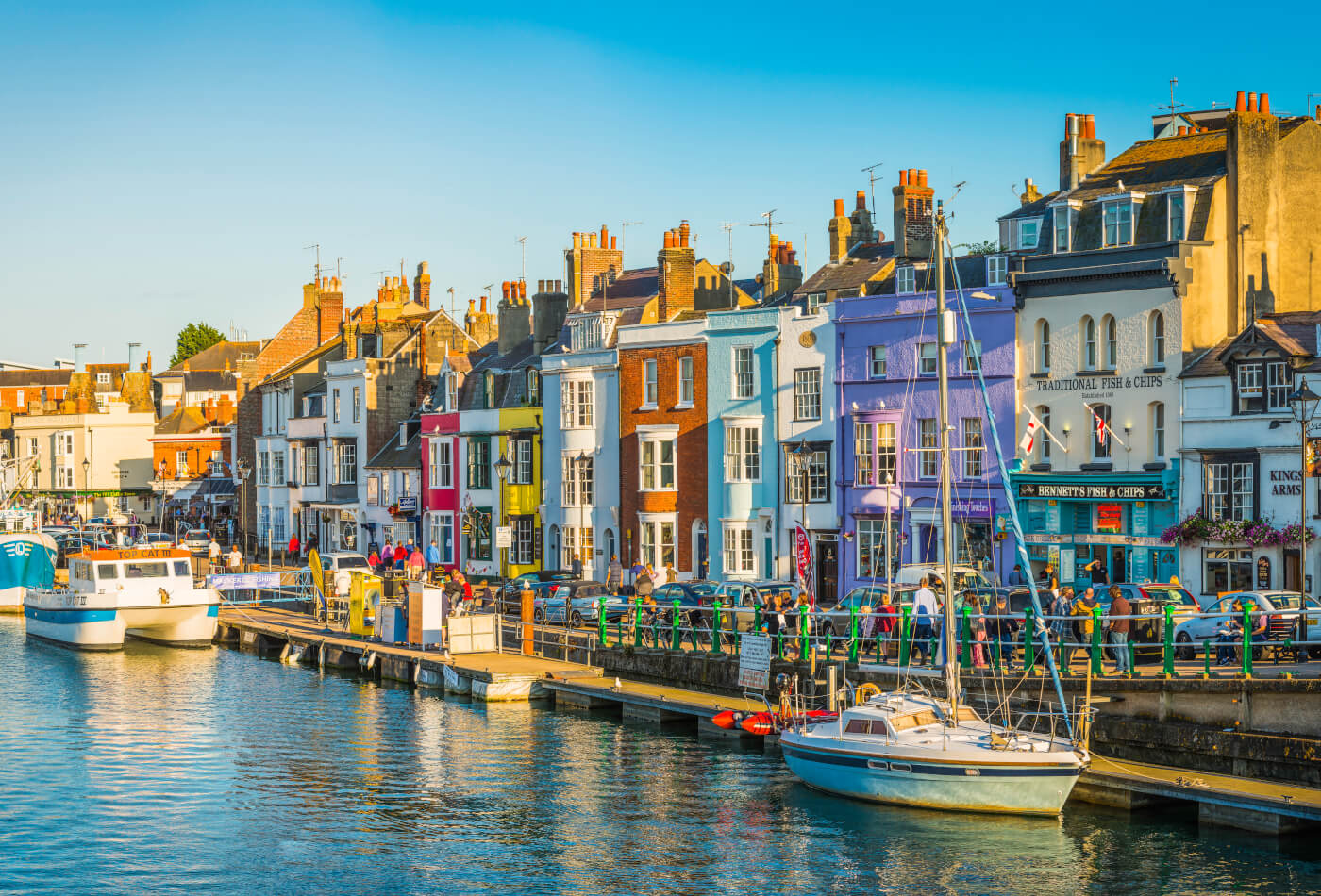
This means holiday lets are now generally treated as part of a standard UK property rental business for tax purposes. The change applies whether your property is in Weymouth, Swanage, Lyme Regis, Bridport or elsewhere across Dorset.
Income generated from your holiday property is generally treated as property income.
You’ll still declare rental income through your normal tax reporting process, but some of the previous FHL-specific tax advantages are no longer available. Always keep detailed records and receipts to support claims. Your taxable profit is usually calculated by:
Rental income – allowable running expenses = Taxable property profit
Allowable expenses may still include items such as:
One of the most significant changes affects finance costs. Under the previous FHL rules, many owners could deduct mortgage interest more favourably.
Today, holiday lets generally follow the same finance cost restriction rules as residential rental property. For many individual owners, mortgage interest relief is now limited to the standard residential property rules rather than being fully deductible against profits.
If your holiday let is financed, reviewing projected returns with an adviser may be worthwhile.
Another major change is how expenditure on furnishings and equipment is treated. Previously, qualifying furnished holiday lets could claim capital allowances on certain items.
Now, holiday let owners generally move to the same treatment as residential landlords, meaning replacement relief for domestic items may apply instead of the old capital allowance approach. If you’re planning a refurbishment or upgrade programme, timing and classification of expenditure can make a difference.
The previous Furnished Holiday Let (FHL) occupancy tests (210 days available and 105 days let) no longer apply for tax qualification purposes following the abolition of the FHL regime in April 2025. Holiday let income is now generally taxed under standard residential property income rules.
However, owners may still encounter separate occupancy or availability requirements for other purposes, such as business rates eligibility, planning controls, mortgage conditions or local authority requirements.
Historically, furnished holiday lets could access certain Capital Gains Tax reliefs designed for trading businesses. Those FHL-specific reliefs are no longer available for disposals after the rule changes.
If selling your Dorset holiday property is part of your medium-term plan, it’s worth taking advice before listing your property to understand the potential tax implications and any transitional rules that may still apply.
Business rates and council tax rules remain separate from the abolition of the FHL regime. If your holiday property qualifies for business rates rather than council tax, eligibility conditions continue to operate independently of the income tax changes.
A holiday let in Dorset may be assessed for business rates instead of council tax if it meets the English self-catering accommodation criteria. To qualify, the property must:
If those conditions are met, the Valuation Office Agency (VOA) may place the property into business rates rather than council tax.
A few important details for Dorset owners:
The Valuations Office sets the rateable value and business rates are charged accordingly.
For many Dorset owners, holiday letting still offers flexibility, lifestyle benefits and income potential—but understanding the updated tax position is now more important than ever.
If you would like to discuss any of the above with our knowledgeable new property team or owner relations team, we’d love to be able to guide you in talking to the right people.
Get in touch with Dream Cottages today and talk to Dorset’s leading holiday letting agents.
Please Note: The information contained in this article was accurate at the time of writing, based on our research. Rules, criteria and regulations change all the time, so please contact our prospective new owner team if you’d like to hear how. Nothing in this article constitutes the giving of financial, tax or legal advice to you; please consult your own professional advisor (accountant, lawyer etc). in this regard. If we have referred within the article to a third-party provider of unregulated holiday let mortgages, this is due to the fact that such mortgages aren’t currently regulated by the FCA.
As a helpful reminder, your home may be repossessed if you do not keep up repayments on a mortgage, so again anything you decide to do in this particular area this is one on which you should take your own professional advice on too, as we aren’t providing and can’t provide you with this.
No. The Furnished Holiday Lettings (FHL) tax regime was abolished from April 2025. Holiday lets are now generally taxed under the same rules as standard UK residential rental properties, which means several previous tax advantages are no longer available.
Yes. Income generated from your holiday property is normally taxable and must be declared through the appropriate tax reporting process. Tax is generally calculated on your rental profit after allowable expenses have been deducted.
In many cases, yes. Holiday homeowners can usually claim allowable operating expenses connected with running and maintaining the property. These may include cleaning, insurance, repairs, utilities, management fees and marketing costs, provided they meet HMRC requirements.
Mortgage interest treatment has changed following the end of the FHL regime. Holiday lets now generally follow the residential property finance cost rules, which may limit how mortgage interest relief is applied for individual owners.
No. The abolition of the Furnished Holiday Let regime does not automatically change whether your property falls under business rates or council tax. These are separate systems with their own eligibility criteria.
Potentially, yes. If you sell your holiday property and make a gain, Capital Gains Tax may apply depending on your circumstances. Previous FHL-related reliefs are no longer generally available, so professional advice can be particularly valuable before a sale.
Yes. Owners can continue to use their holiday property personally, but keeping clear records of owner stays and guest bookings remains important for financial and tax administration.
Not necessarily. Owning and operating a holiday let does not automatically require forming a company or registering as a separate business entity. However, your ownership structure and tax obligations will depend on your individual circumstances.
Good record keeping is increasingly important. Consider maintaining records of:
If your property generates income, has finance attached, is jointly owned or forms part of a wider investment strategy, professional tax advice can help you understand how the latest rules apply to your situation.
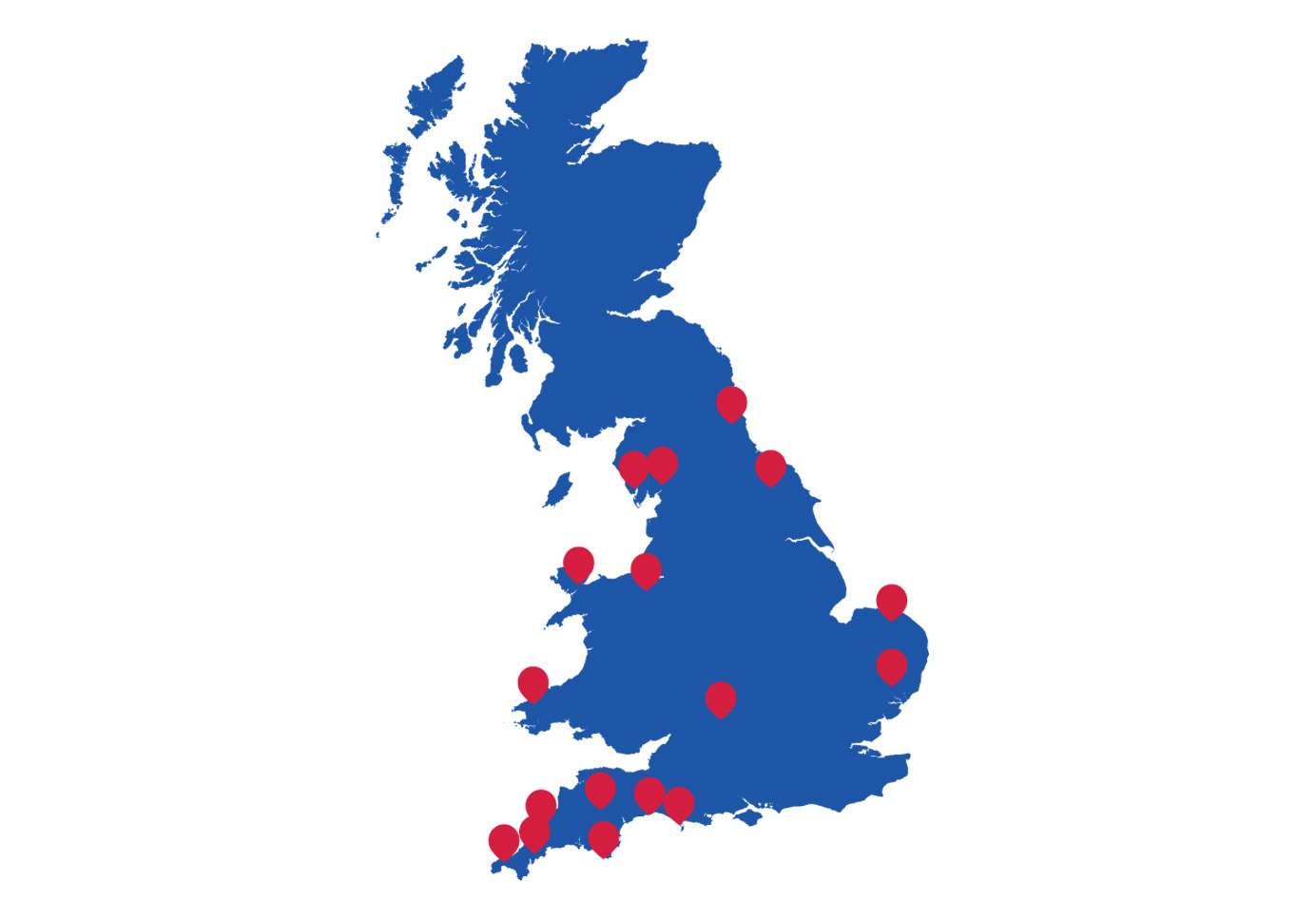
Interested in letting a property outside of Dorset? We’re proud to be part of Sykes Holiday Cottages, with a network of regional brands offering the same award-winning service across the UK. Enquire now to be put in touch with your local holiday letting experts.
Find out how we can work together. With over 25 years’ experience, our local expertise will give you peace of mind and bring you the bookings you deserve.
by Laura Bell / Owner News

Hi, I'm Laura. I joined Dream Cottages fairly recently in my wonderful hometown of Weymouth. I love all things deliciously Dorset!...
Read More About Author
Sign up to receive exclusive offers, competitions and the latest news to your inbox, and you'll be entered into our monthly prize-draw 3 times!
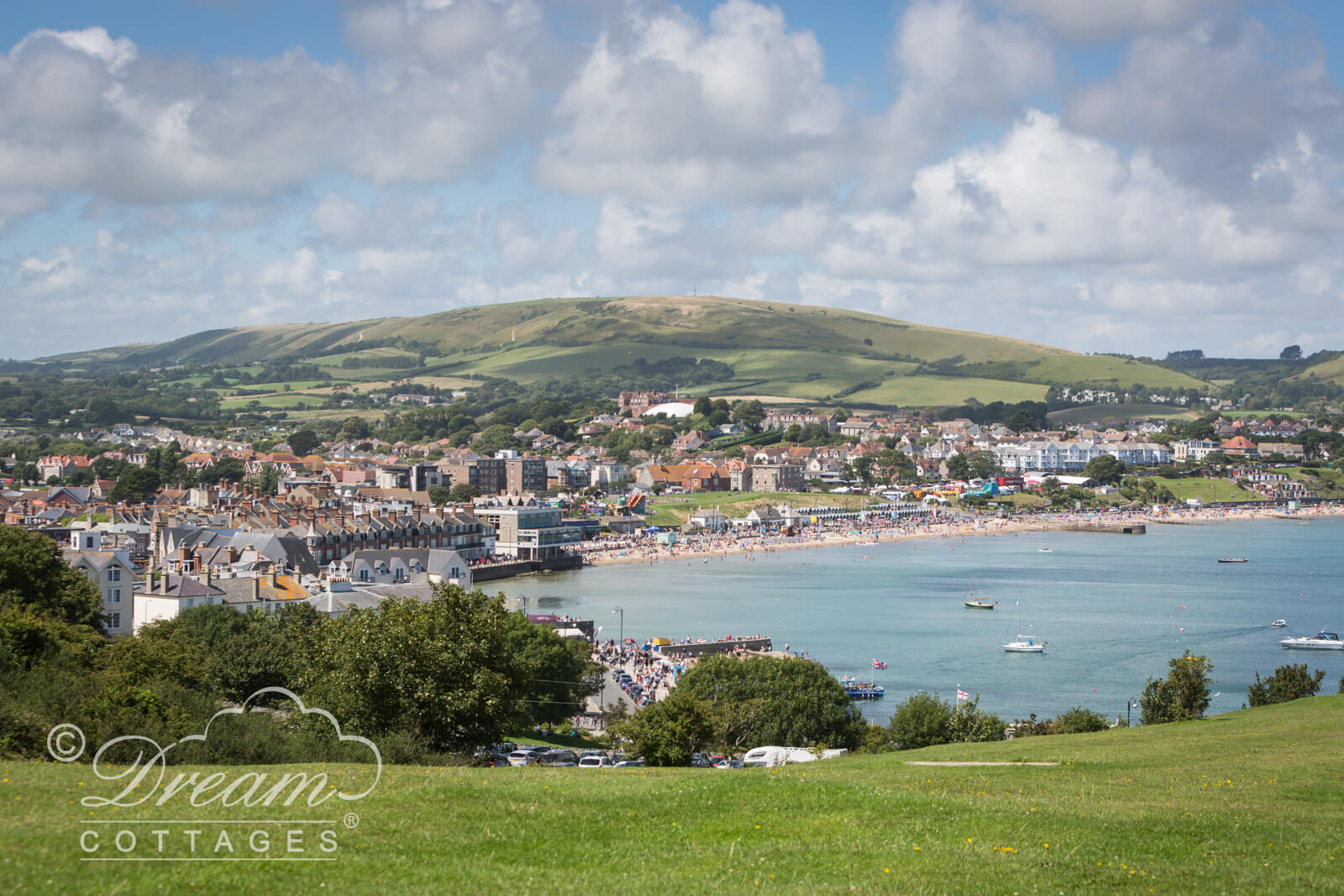
Owning a holiday let in Swanage, Dorset, can be an incredibly rewarding investment, offering both financial benefits and the...
So you’ve decided to holiday let your property but are you lacking in inspiration on how to name your...
The UK staycation market continues to evolve, and for holiday homeowners in Dorset, the latest Dream Cottages Market Insights...

